
Understanding the Balance of Luck and Skill
In the realm of casino gaming, a common debate centers around the dichotomy of luck versus skill. Luck is often thought of as an inherent factor that can sway the outcome of games, while skill encompasses the strategies and techniques a player adopts to maximize their chances of winning. Understanding this balance is crucial for players who want to approach casino games with a mindset that goes beyond mere chance, especially when exploring options like 1win for various gaming experiences. For instance, games like poker heavily emphasize skill, allowing seasoned players to outmaneuver less experienced opponents, while simpler games like slots rely predominantly on luck.
The interplay of luck and skill varies significantly between different types of casino games. In a game of blackjack, for example, players are presented with opportunities to make strategic decisions, such as when to hit or stand, which clearly underscores the element of skill involved. Conversely, in games like roulette, outcomes are determined purely by random chance, illustrating that while luck can shine, skill has little to no impact on the result. Understanding these dynamics helps players set realistic expectations and develop appropriate strategies.
Ultimately, while luck can indeed affect the immediate outcome of any single game, skill development and strategic gameplay often lead to more favorable long-term results for players. This notion is particularly relevant in tournaments or competitive settings, where the capability to read opponents and execute advanced strategies can make a significant difference. As players engage with various games, they are likely to experience firsthand how both elements can influence their trajectory in the casino environment.
The Role of Luck in Casino Games
Luck serves as a cornerstone of casino gaming, infusing excitement and unpredictability into the experience. Many players are drawn to games of chance precisely because they provide the thrill of risk and reward, where outcomes are not guaranteed, and fortunes can shift dramatically with each spin of a wheel or turn of a card. This random element is integral to the appeal of games like slot machines and roulette, where players eagerly anticipate the next outcome without any influence over the result.
Moreover, luck can play a psychological role in gaming, as players often attribute their wins or losses to fate. This belief can be both motivating and demotivating; a lucky streak may encourage players to continue, while a string of bad luck might lead to frustration. Casinos tend to capitalize on this by creating an environment where luck is visibly celebrated, such as through jackpot announcements or win celebrations, enhancing the allure of chance-based games. The emotional highs and lows are part of what makes gambling so engaging.
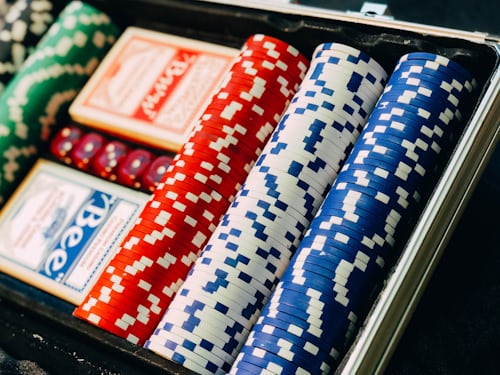
However, it’s crucial to approach the concept of luck with a balanced perspective. While luck can occasionally yield impressive wins, the reality is that it ultimately evens out over time. Players should understand that reliance solely on luck may lead to adverse outcomes in the long run. Knowing that luck is an inherent part of the gaming experience reminds players to exercise caution and be mindful of their bankroll, allowing them to enjoy the thrill without succumbing to reckless decisions.
The Importance of Skill in Strategy-Based Games
As players delve into strategy-based games like poker and blackjack, the importance of skill becomes abundantly clear. In these games, understanding probabilities, employing effective strategies, and mastering the art of bluffing can dramatically enhance a player’s performance. The ability to make informed decisions based on the game state can often outweigh the element of luck, allowing players to leverage their experience and knowledge for consistent success.
For instance, in blackjack, seasoned players can utilize card counting techniques to gain a mathematical edge over the house. This strategic approach requires a deep understanding of the game’s nuances and an ability to remain disciplined under pressure. Such skillful play not only increases the probability of winning but also transforms the player’s experience, making it more engaging and intellectually stimulating. By honing their skills, players can shift the balance of power in their favor, making skill a critical component of their overall gaming strategy.
Furthermore, tournaments in games like poker showcase the significance of skill on a larger scale. Competitors must employ careful strategies, adjust to opponents’ behaviors, and manage their chip stacks effectively. This competitive environment amplifies the role of skill, as consistent performance across multiple games can lead to substantial earnings and recognition. In contrast to luck-based games, where players can only hope for favorable outcomes, skill-based games empower players to take control of their destiny, illustrating the profound impact that expertise can have on outcomes.
Finding the Right Balance for Individual Players
In navigating the casino landscape, understanding the interplay of luck and skill can assist players in making informed choices about which games to pursue. Each player’s approach will vary based on their experiences, preferences, and desired outcomes. Some may revel in the thrill of chance-based games where luck plays a pivotal role, while others might prefer to develop their skills in strategy-rich environments. Recognizing personal inclinations is essential for finding enjoyment in gaming and optimizing one’s potential for success.

Moreover, it is important for players to establish a mindset that accounts for both luck and skill when approaching their gaming experiences. By understanding that luck can be ephemeral and that skill can pave the way for more consistent success, players can adjust their strategies accordingly. This awareness can help mitigate the emotional rollercoaster that often accompanies gambling, fostering a healthier, more sustainable approach to gaming.
Ultimately, a balanced understanding of luck and skill can enhance the overall casino experience. Players are encouraged to embrace the excitement of chance while also dedicating time and effort to mastering the skills that can improve their gameplay. By doing so, they can maximize not only their enjoyment but their potential for long-term success in the dynamic world of casino gaming.
Exploring More About Casino Gaming
As the discourse surrounding luck versus skill continues, players eager to dive deeper into the world of casino gaming can find a wealth of information and resources. Various platforms provide insights into different games, strategies, and tips tailored to enhance both casual and serious players’ experiences. Through educational articles, tutorials, and expert advice, individuals can broaden their understanding of the intricacies that define gaming at casinos.
Engaging with online communities dedicated to casino gaming can also be beneficial. Players often share their experiences, perspectives, and strategies, creating an invaluable resource for anyone looking to refine their skills or enhance their enjoyment of games. Whether through forums, social media groups, or dedicated websites, these interactions foster a sense of camaraderie among gaming enthusiasts, allowing for the exchange of knowledge and the collective growth of understanding.
Ultimately, embracing the complexities of luck and skill in casino gaming can enrich both the recreational and competitive experiences for players. By exploring available resources and engaging with the broader gaming community, individuals can elevate their gaming proficiency and navigate the casino landscape with greater confidence and insight. Understanding how luck and skill interplay is the first step toward a more rewarding casino journey.